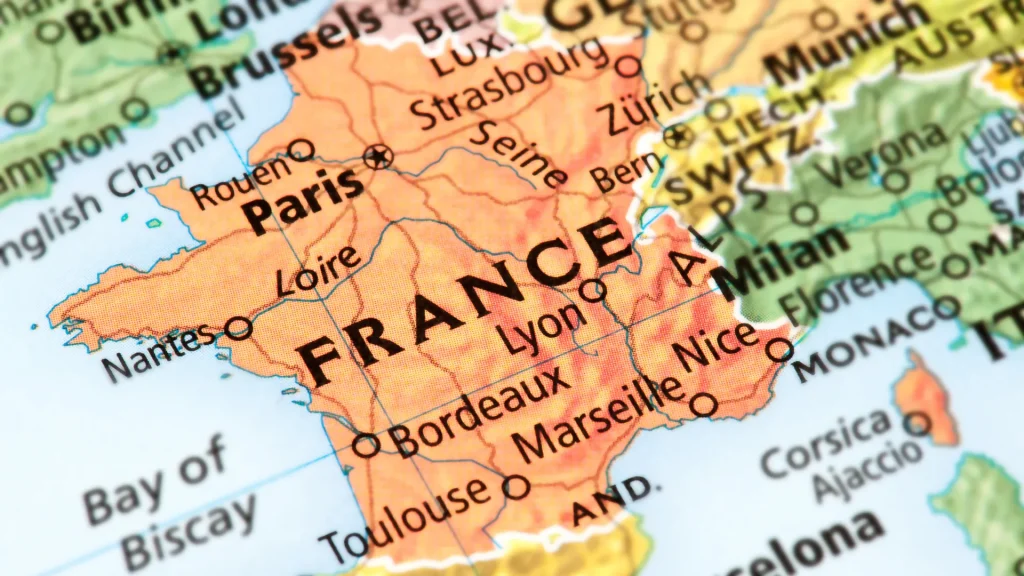

France is one of Europe’s most influential economies and an attractive destination for entrepreneurs, startups, and multinational companies. With a strategic location, excellent infrastructure, and access to the European Union’s single market, the country provides an ideal environment for business growth and international expansion.
Whether you’re planning to launch a startup, establish a branch office, or invest in the French market, understanding the local business environment is essential.
Why France Is an Attractive Business Destination
France offers numerous advantages for companies looking to expand internationally.
Key benefits include:
- Access to over 450 million consumers within the European Union
- Stable legal and regulatory framework
- Modern transportation and logistics infrastructure
- Highly skilled and educated workforce
- Strong innovation ecosystem
- Government support for startups and investors
- One of Europe’s largest consumer markets
These factors make France a strategic location for businesses targeting both domestic and international customers.
Choosing the Right Business Structure
Before entering the French market, it’s important to select the legal structure that best fits your business model.
Popular options include:
Micro-Entrepreneur
Ideal for freelancers and independent consultants who require a simple registration process and minimal administration.
SARL (Limited Liability Company)
A popular choice for small and medium-sized businesses seeking limited liability and a traditional company structure.
SAS (Simplified Joint Stock Company)
Preferred by startups, technology companies, and businesses planning future investment or international expansion due to its flexible governance.
Branch Office
Foreign companies may establish a branch to conduct business activities in France while remaining legally connected to the parent company.
Each structure has different tax, accounting, and management requirements.
Starting Operations
Launching a business in France generally involves several key steps:
- Registering the company
- Opening a business bank account
- Obtaining tax identification numbers
- Registering for VAT (where applicable)
- Setting up accounting procedures
- Securing appropriate business insurance
Depending on the industry, additional licenses or professional certifications may also be required.
Building Business Relationships
French business culture values professionalism, preparation, and long-term relationships.
Successful business meetings typically involve:
- Well-prepared presentations
- Clear documentation
- Professional communication
- Respect for formal business etiquette
- Punctuality
Building trust often takes time, but strong relationships frequently lead to long-term partnerships.
Hiring Employees
France provides access to one of Europe’s most qualified labor markets.
Growing industries include:
- Information Technology
- Finance
- Engineering
- Healthcare
- Manufacturing
- Renewable Energy
- Digital Marketing
- Hospitality
Employers should understand local employment regulations, social security contributions, and collective labor agreements before recruiting staff.
Digital Transformation
Businesses operating in France are increasingly investing in digital solutions.
Popular technologies include:
- Cloud computing
- Artificial Intelligence
- Automation
- E-commerce platforms
- CRM systems
- Business analytics
- Cybersecurity
Companies embracing digital transformation are better positioned to remain competitive in today’s market.
Financing and Investment Opportunities
France offers multiple funding options for growing businesses.
Available sources may include:
- Commercial bank financing
- Venture capital
- Angel investors
- Government innovation grants
- European Union funding
- Startup accelerators
Innovative businesses can often benefit from research and development incentives and tax credits.
Expanding Your Brand
A professional online presence is essential for reaching French customers.
An effective marketing strategy typically includes:
- Search engine optimization (SEO)
- Google Ads campaigns
- Social media marketing
- Content marketing
- Email marketing
- Local business listings
- Reputation management
Providing content in French significantly improves visibility and customer trust.
Common Challenges
Foreign entrepreneurs should prepare for several practical challenges when entering the French market:
- Administrative procedures
- Language differences
- Tax compliance
- Employment regulations
- Cultural differences in negotiation style
- Industry-specific licensing requirements
Working with experienced local professionals—including accountants, lawyers, and business consultants—can simplify many of these processes.
Industries with Strong Growth Potential
Several sectors continue to attract significant investment and offer promising business opportunities:
- Artificial Intelligence
- Renewable Energy
- Healthcare
- Property Management
- Financial Services
- Luxury Goods
- Tourism
- Logistics
- Construction Technology
- Sustainable Mobility
These industries are expected to remain key drivers of the French economy over the coming years.
Final Thoughts
France continues to be one of Europe’s most attractive destinations for entrepreneurs and international companies. Its combination of economic stability, innovation, highly skilled workforce, and access to the European market creates excellent conditions for long-term business success.
Whether you’re launching a startup, expanding an established company, or exploring investment opportunities, careful planning and a solid understanding of the local business environment will help you build a strong foundation for sustainable growth.