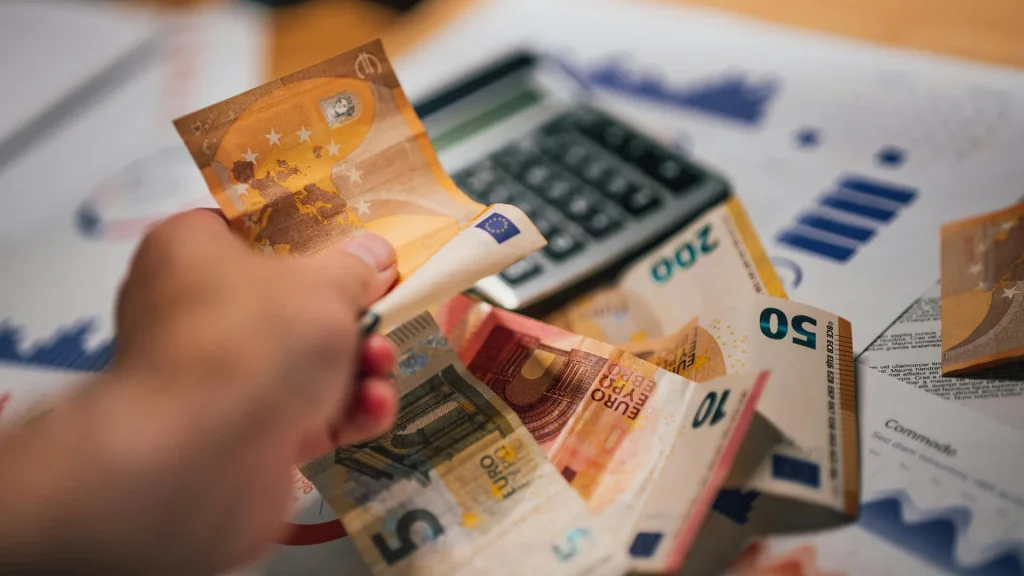

Expanding your business into France offers access to one of Europe’s largest economies, but success depends on understanding the country’s legal and tax environment. While the French system is highly regulated, it is also transparent and designed to provide stability for businesses, investors, and consumers.
Whether you’re launching a startup, opening a branch office, or relocating your company, having a solid understanding of French legal and tax obligations will help you avoid costly mistakes and build a strong foundation for long-term growth.
Choosing the Right Business Structure
Your legal structure affects almost every aspect of your business, including taxation, liability, accounting, and social contributions.
The most common company structures in France are:
- Micro-Entrepreneur – suitable for freelancers and small businesses.
- SARL (Limited Liability Company) – ideal for small and medium-sized enterprises.
- SAS (Simplified Joint Stock Company) – popular among startups and companies seeking investment.
- Branch Office – designed for foreign companies expanding into the French market.
Choosing the right structure should be based on your expected turnover, number of shareholders, and long-term business objectives.
Corporate Tax
Companies operating in France are generally subject to Corporate Income Tax (Impôt sur les Sociétés).
The applicable tax rate depends on several factors, including:
- Annual profits
- Company size
- Legal structure
- Specific tax incentives
France also offers various tax credits and incentives, particularly for businesses investing in research, innovation, and sustainable development.
Value Added Tax (VAT)
Most businesses selling goods or services in France must register for VAT.
The VAT system applies to:
- Products
- Professional services
- Digital services
- Imports and exports
- E-commerce
Businesses are responsible for collecting VAT from customers and submitting regular declarations to the tax authorities.
Accurate bookkeeping is essential to ensure compliance.
Social Security Contributions
Employers and self-employed individuals contribute to the French social security system.
These contributions help finance:
- Healthcare
- Pension schemes
- Family benefits
- Unemployment insurance
- Workplace accident coverage
The amount payable depends on salaries, business activity, and legal status.
Accounting Requirements
French accounting standards require businesses to maintain accurate financial records.
Typical obligations include:
- Recording all transactions
- Preparing annual financial statements
- Filing tax returns
- Keeping accounting documents for statutory periods
Many foreign entrepreneurs choose to work with certified French accountants to simplify compliance.
Employment Law
Hiring employees in France involves several legal responsibilities.
Employers must comply with regulations covering:
- Employment contracts
- Working hours
- Paid annual leave
- Minimum wage
- Workplace safety
- Employee benefits
- Social contributions
French labour law provides strong protections for employees, making proper HR management particularly important.
Commercial Contracts
Well-prepared contracts reduce legal risk and provide clarity for both parties.
Business agreements should clearly define:
- Scope of work
- Payment terms
- Delivery schedules
- Responsibilities
- Confidentiality
- Intellectual property rights
- Dispute resolution procedures
For international transactions, contracts should also specify the governing law and jurisdiction.
Data Protection (GDPR)
Businesses handling personal information must comply with the General Data Protection Regulation (GDPR).
This includes:
- Customer data
- Employee records
- Website forms
- Marketing databases
- Online purchases
Companies should implement appropriate privacy policies, obtain valid consent where required, and ensure secure data storage.
Tax Incentives for Businesses
France actively encourages innovation and investment through various financial incentives.
Available programs may include:
- Research & Development tax credits
- Innovation grants
- Green investment support
- Regional development incentives
- Startup funding programs
These incentives can significantly reduce operational costs for eligible businesses.
Common Legal Mistakes to Avoid
Many foreign entrepreneurs encounter difficulties because they:
- Choose the wrong company structure.
- Underestimate tax obligations.
- Delay VAT registration.
- Use contracts that are not adapted to French law.
- Ignore employment regulations.
- Overlook GDPR compliance.
Working with experienced legal and tax professionals helps prevent these issues before they become costly.
Why Professional Advice Matters
French legislation changes regularly, and regulations may differ depending on your industry.
Professional advisors can help you:
- Register your business correctly.
- Optimise your tax structure.
- Draft legally compliant contracts.
- Navigate employment law.
- Protect intellectual property.
- Ensure ongoing regulatory compliance.
Their expertise often saves both time and money while reducing legal risk.
Final Thoughts
France offers a secure and well-regulated environment for businesses of all sizes. Although the legal and tax system may appear complex at first, it provides stability and predictability for companies willing to invest in proper planning.
Understanding your obligations from the beginning—and working with qualified legal and tax professionals—will allow you to focus on growing your business while remaining fully compliant with French regulations.