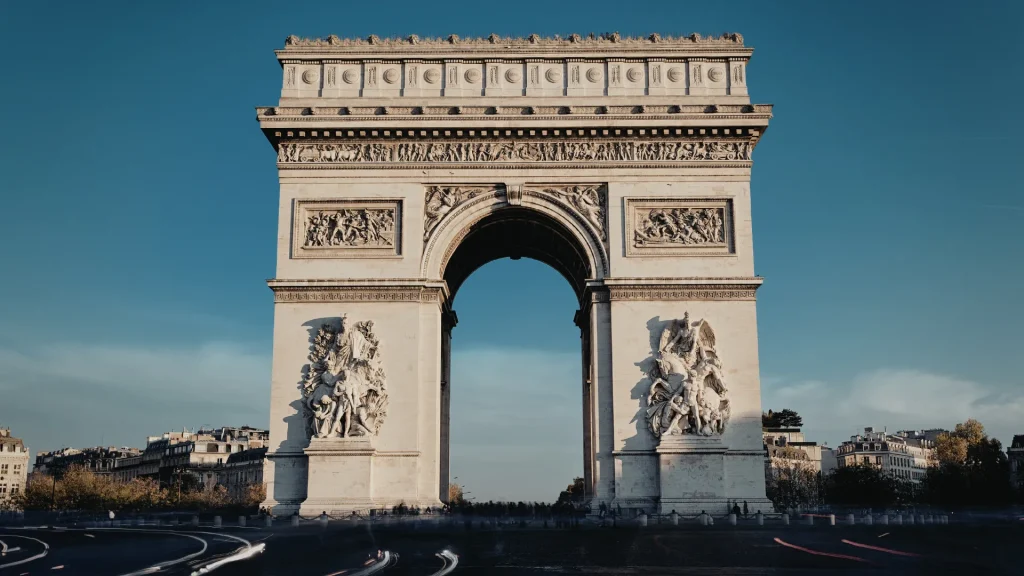
Paris is one of the few cities in the world where even a short visit can feel unforgettable. With iconic landmarks, historic neighbourhoods, elegant cafés, museums, gardens and world-class cuisine, the French capital offers countless ways to spend a memorable weekend.
Careful planning is important, especially if you only have two or three days. This guide presents a balanced itinerary combining famous attractions with authentic Parisian experiences.
Day One: Discover the Iconic Paris
Your first day should focus on the landmarks that define the city.
Start at the Eiffel Tower
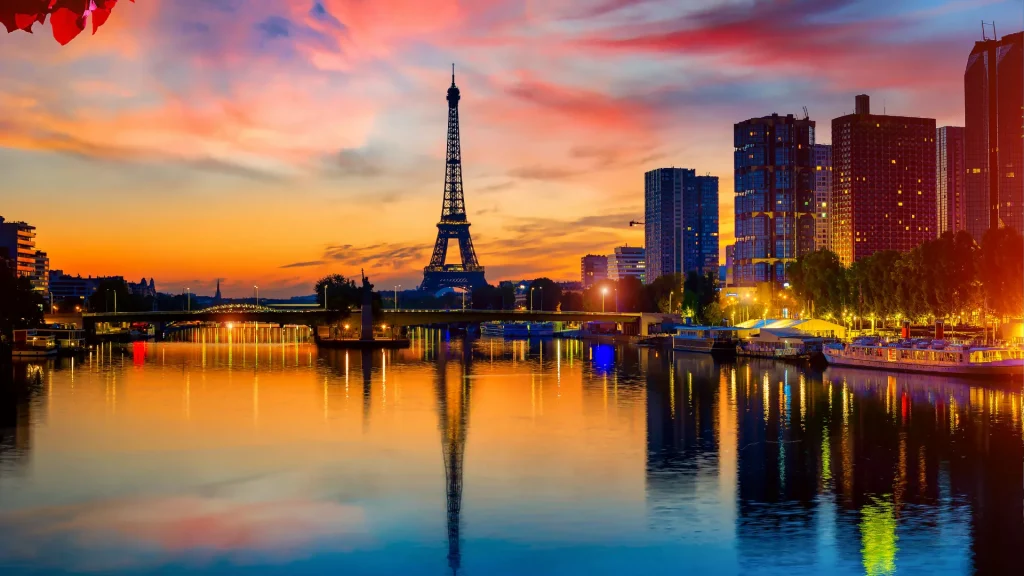
Begin the morning near the Eiffel Tower before the area becomes crowded.
You can:
- Walk through the Champ de Mars
- Visit the tower’s observation levels
- Enjoy views from Trocadéro
- Take photographs from the Seine riverbank
Booking tickets in advance can save a significant amount of time.
Walk Along the Seine
From the Eiffel Tower, continue toward the river and enjoy one of the most scenic parts of Paris.
A Seine cruise is also an excellent way to see several major landmarks in a short period, including:
- Musée d’Orsay
- Louvre Museum
- Notre-Dame Cathedral
- Historic bridges
- Île de la Cité
Cruises are particularly atmospheric around sunset.
Explore the Louvre Area
Even if you do not plan to visit the entire museum, the Louvre courtyard and glass pyramid are worth seeing.
The museum is one of the largest in the world, so visitors interested in art should plan their route in advance rather than trying to see everything.
Nearby attractions include:
- Tuileries Garden
- Place de la Concorde
- Palais Royal
- Rue de Rivoli
Evening in Saint-Germain-des-Prés
End your first day in Saint-Germain-des-Prés, an elegant district known for its cafés, galleries and literary history.
This area is ideal for:
- Dinner in a traditional French restaurant
- A glass of wine at a local café
- An evening walk through historic streets
Day Two: Neighbourhoods, Culture and Local Atmosphere
The second day is a good opportunity to explore the more authentic side of Paris.
Morning in Montmartre
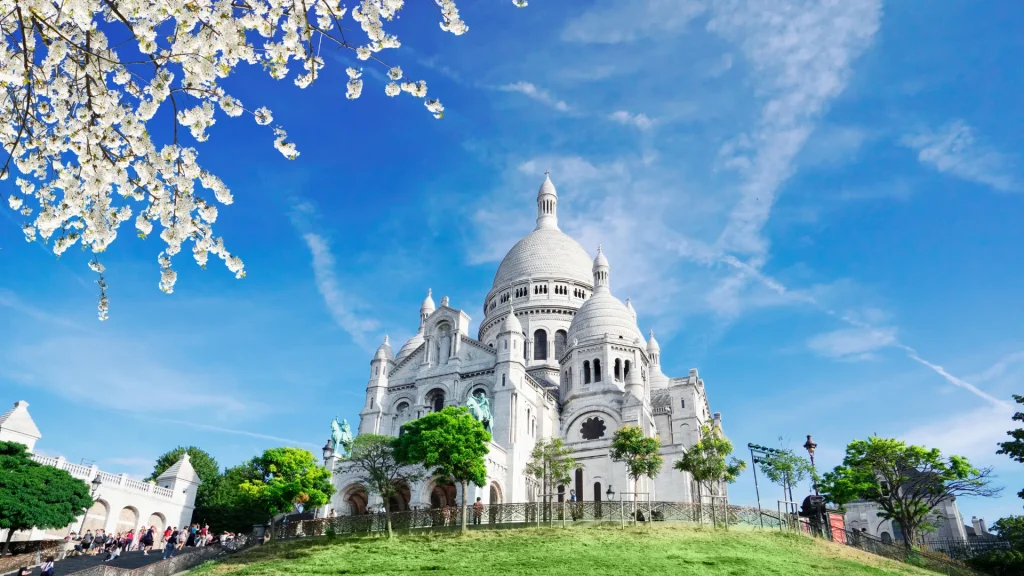
Montmartre is famous for its artistic heritage, narrow streets and panoramic views.
Start at the Sacré-Cœur Basilica and then explore:
- Place du Tertre
- Small galleries
- Historic cafés
- Hidden staircases
- Traditional bakeries
Arriving early allows you to enjoy the area before the main tourist crowds appear.
Visit Le Marais
In the afternoon, head to Le Marais, one of Paris’s most vibrant and historic neighbourhoods.
The district combines:
- Historic architecture
- Independent boutiques
- Art galleries
- Stylish restaurants
- Museums
- Traditional food shops
Place des Vosges is one of the most beautiful squares in the city and a perfect place for a short break.
Explore Île de la Cité
Continue toward the historic heart of Paris.
Important places include:
- Notre-Dame Cathedral
- Sainte-Chapelle
- Conciergerie
- Flower Market
- Views along the Seine
Sainte-Chapelle is especially famous for its remarkable stained-glass windows.
Evening in the Latin Quarter
The Latin Quarter offers a lively atmosphere with restaurants, bookstores and historic university buildings.
It is an excellent place to enjoy an informal dinner and experience the city’s intellectual and student traditions.
Day Three: Museums, Shopping and Relaxation
If you have an additional day, choose activities based on your interests.
For Art Lovers
Consider visiting:
- Musée d’Orsay
- Musée de l’Orangerie
- Centre Pompidou
- Musée Rodin
The Musée d’Orsay is particularly popular for its collection of Impressionist and Post-Impressionist art.
For Shopping
Paris offers everything from luxury fashion to independent design.
Popular shopping areas include:
- Champs-Élysées
- Boulevard Haussmann
- Avenue Montaigne
- Le Marais
- Saint-Germain-des-Prés
Galeries Lafayette and Printemps are worth visiting for both shopping and rooftop views.
For a Relaxed Afternoon
Spend time in one of the city’s gardens:
- Luxembourg Gardens
- Tuileries Garden
- Parc Monceau
- Jardin des Plantes
Parisian parks provide a peaceful contrast to the busy streets and attractions.
What to Eat in Paris
Food is an essential part of the Paris experience.
Try local favourites such as:
- Croissants
- Baguettes
- Crêpes
- Onion soup
- Steak frites
- Cheese boards
- Macarons
- French pastries
For a more authentic experience, visit neighbourhood bakeries, markets and small restaurants away from the busiest tourist streets.
Getting Around Paris
The Paris public transport system is efficient and connects nearly every major attraction.
Visitors can use:
- Metro
- Buses
- Regional trains
- Trams
- River services
- Rental bicycles
Walking is often the best way to discover hidden streets, architecture and local cafés.
Comfortable shoes are essential because a typical sightseeing day can involve many kilometres of walking.
Practical Tips for a Weekend in Paris
To make the most of your visit:
- Book major attractions in advance.
- Start sightseeing early.
- Avoid trying to see too much in one day.
- Keep valuables secure in crowded places.
- Check museum closing days.
- Carry a small amount of cash.
- Learn a few basic French phrases.
- Leave time for spontaneous discoveries.
Some of the most memorable moments in Paris happen while simply walking through an unfamiliar neighbourhood.
When Is the Best Time to Visit?
Paris is attractive throughout the year, but each season offers a different experience.
Spring
Ideal for gardens, outdoor cafés and mild weather.
Summer
Long days, festivals and lively public spaces, but also larger crowds.
Autumn
Comfortable temperatures, cultural events and beautiful seasonal colours.
Winter
Christmas decorations, museums and a quieter atmosphere outside the holiday period.
Final Thoughts
A weekend in Paris offers the perfect combination of culture, food, history and atmosphere. While it is impossible to see everything in two or three days, a well-planned itinerary allows you to experience the city’s most important landmarks without losing the pleasure of simply enjoying Parisian life.
The best approach is to combine famous attractions with time for local neighbourhoods, cafés and spontaneous walks. Paris is not only a city to visit—it is a city to experience.